
ALVIN'S INSIGHTS · HEALTH INSURANCE
A Practical Guide to Health Insurance in New Zealand
A straightforward guide to why people use private healthcare, what health insurance can cover, and how premiums, excesses and timing affect your options.

Health insurance, sometimes called medical insurance, helps pay for eligible tests and treatment when you have a health problem.
Health insurance is not mainly about getting money back on small everyday costs. It is there to help with the larger medical bills that could be difficult for a person or family to pay on their own.
01
What is health insurance?
Health insurance helps with the cost of eligible private medical care. You pay a regular premium, and if you need a covered test or treatment, the insurer pays some or all of the cost, according to the policy. This can make private care more affordable and may give you more choice about when and where you receive treatment.
02
Why might you need health insurance in New Zealand?
In New Zealand, ACC pays for many treatment costs related to accidents. Eligible people can also receive care through the public health system. Both systems are important, but they cannot cover every situation or offer unlimited resources. For non-urgent care, patients may have less choice and may need to wait.
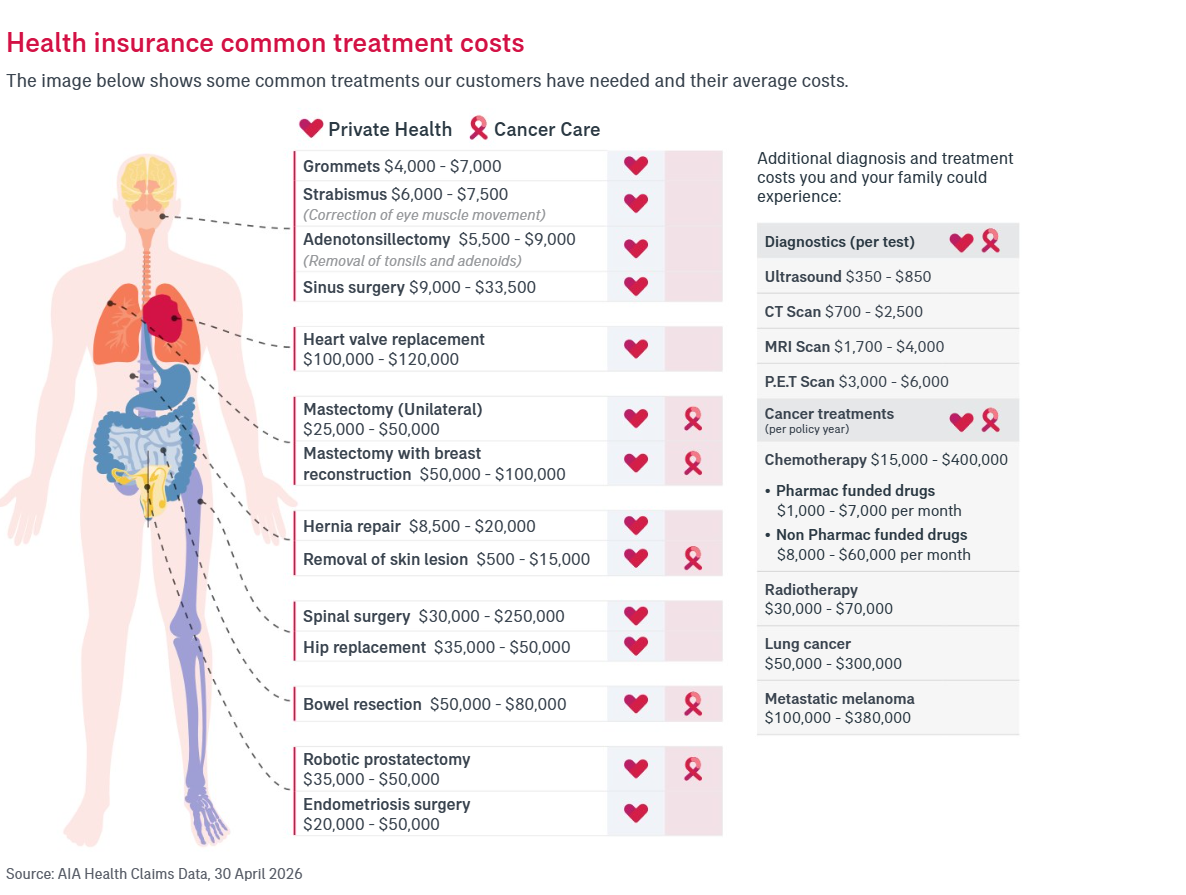
For some health problems, the private system may provide faster access to a specialist, scan, operation or other treatment. Private care can be expensive. A test or smaller procedure may cost several thousand dollars, while complex treatment can cost more than $100,000. If the treatment is covered by the policy, health insurance may pay some or all of the cost.
Some broader policies may also cover certain treatment overseas, as long as the insurer approves it in advance and the policy conditions are met. This can give a family another treatment option. It is not the same as travel insurance and does not usually cover unexpected illness or injury during an overseas trip.
03
Why private access matters to many families
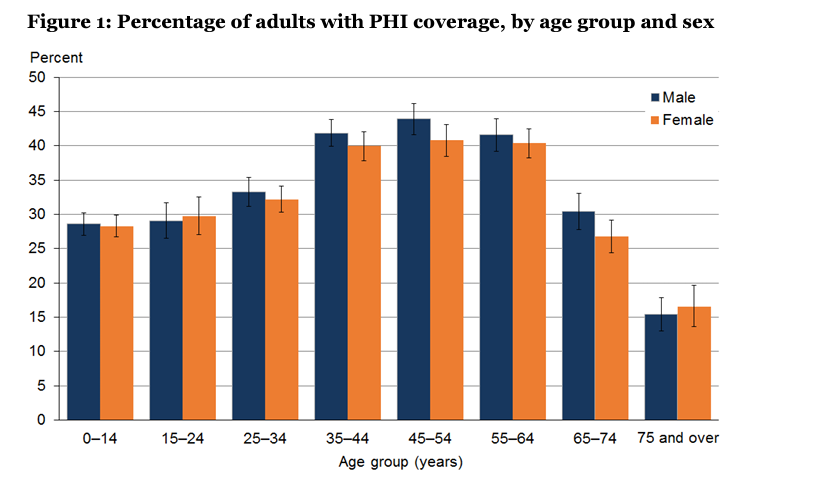
New Zealand Ministry of Health data published in 2016 showed that about 35% of adults — around 1.215 million people at the time — had private health insurance.
Since entering the industry in 2015, Alvin has found that people's interest in health insurance is shaped by more than money. Previous experience with another healthcare system can also make a difference. In some countries, a patient can go directly to a hospital and arrange blood tests, scans or a specialist appointment quite quickly.
In New Zealand, a non-urgent condition will usually be assessed first by a general practitioner, who can refer the patient for specialist assessment or further investigation when clinically appropriate.
Consider a gastroscopy or colonoscopy. When symptoms first appear, a GP may not immediately refer the patient for the procedure. If a referral is made, the public system will assess factors such as symptoms, age, family history and available resources. A patient who is accepted may still need to wait.
The private system will usually still require a referral, but the test can often be arranged sooner. The cost may be several thousand dollars. Health insurance can make that private option more affordable when waiting is a concern.
Cancer treatment is another common concern. The public system provides government-funded treatment and medicines, but some medicines, immunotherapies or targeted treatments that are not funded by Pharmac may need to be accessed privately at substantial cost.
04
What are the main types of health cover?
For a simple overview, health cover can be divided broadly into two categories.
Private hospital and specialist cover
This generally focuses on private specialist consultations, scans and other diagnostic investigations, surgery, non-surgical treatment and hospital care. Depending on the policy, cardiovascular conditions and cancer-related diagnosis and treatment may also be important parts of the cover.
Everyday health benefits
These benefits are generally intended for more routine expenses such as GP visits, physiotherapy, acupuncture or massage, glasses, dental care and minor health checks. They usually provide limited protection against the cost of major private treatment.
Alvin generally places more importance on the first category. The main purpose of insurance is to protect against costs that may not happen often, but could be very difficult for a family to pay if they do.
Most families can still budget for glasses, a dental clean or a GP visit. Adding cover for every smaller, regular expense can make the premium higher. Benefit limits, waiting periods and the amount you still need to pay can also reduce how useful those extras are.
If you are considering everyday benefits, check the waiting periods, yearly limits and how much you would still pay yourself. Private hospital cover should not be judged only by whether you “get your premiums back”. Its purpose is to help with serious and unpredictable medical costs.
05
How much does health insurance cost?
This section refers to private hospital-style health insurance.
For children and insured people under age 21, premiums commonly range from approximately NZ$20 to NZ$70 per month. Adult premiums depend on factors such as age, sex, smoking status, health history, the selected excess and optional benefits. They may range from around NZ$70 to NZ$500 per month or more.
With the right structure, about NZ$80 to NZ$200 per month can often provide an adult with useful protection. Many of Alvin's clients currently pay within this broad range. If the budget is tight, choosing a higher excess may reduce the premium while keeping cover for larger medical bills.
Pricing note:
Health insurance premiums change over time with age, medical inflation, claims costs and insurer pricing. These amounts are broad 2025–2026 market references and are not a quotation.
06
What is an excess?
An excess is the part of an eligible claim that you pay yourself. For example, if an operation covered by the policy costs NZ$10,000 and the excess is NZ$500, you pay NZ$500 and the insurer pays the remaining NZ$9,500 under the policy terms.
Example:
Operation cost NZ$10,000 − client excess NZ$500 = insurer payment NZ$9,500
In general, a lower excess means a higher premium. A higher excess usually lowers the premium. For a family with a limited budget, this can turn a very large medical bill into a smaller amount it already knows it would need to pay.
How the excess applies is just as important as the dollar amount. Some older policies apply an excess to each claim. A common current structure applies it once per policy year, while other policies use a 12-month claims period beginning from the first claim. These apparently small differences can change the amount paid at claim time by hundreds or even thousands of dollars. This is one area where adviser experience and up-to-date policy knowledge can make a practical difference.
07
When is the right time to apply?
The idea that health insurance is only needed later in life is a common misconception. Alvin believes it is often sensible to consider cover soon after a child is born. If that opportunity has passed, it can still be worth reviewing the options sooner rather than waiting for a health concern to arise.
Insurers assess an applicant's health when considering an application. A basic principle is that a condition or symptom that existed before the application may be excluded, may not be covered, or may result in the application being declined. No one knows when an illness will develop, so applying earlier can increase the likelihood that future conditions will fall within the cover.
Abnormal cholesterol, blood glucose or blood pressure readings are not unusual in a person's 30s or 40s. Even without obvious symptoms, ongoing abnormal results can lead to exclusions for cardiovascular conditions or, in some circumstances, a declined application. Some insurers may also offer specific benefits to clients who have maintained continuous cover for a qualifying period, subject to the applicable product terms.
08
Can older parents still apply?
Most insurers have a maximum age for new applications. Around age 70 is common, although some products accept older applicants.
As life expectancy increases, it can still be meaningful to assess health cover for parents aged 60 to 75 who do not currently have insurance. If private treatment is needed, the family should understand in advance who would meet the cost.
Premiums are higher at older ages, but selecting an appropriate level of cover and excess may still produce a relatively affordable option. Whether insurance is suitable should be assessed in light of age, health, household cash flow, the amount the family could pay itself and the public healthcare options already available.
Important information
This article provides general information only. It is not personalised financial advice and does not replace medical advice. Insurance products, underwriting decisions, premiums, excesses and claims are subject to the relevant policy terms and the insurer's assessment. Cover should be considered in the context of a person's health, family circumstances, finances and ability to maintain premiums over time.
Premiums may change because of age, medical inflation, overall claims costs and insurer pricing. The premiums and treatment costs in this article are broad 2025–2026 references. Actual pricing must be confirmed at the time of application.