
ALVIN'S INSIGHTS · FINANCIAL LITERACY
When My Year 6 Daughter Started Calculating the Payback Period on a Bicycle
A classroom bank account, one mistaken term deposit and a bicycle purchase turned financial literacy into something real for our family.

Has your child come home recently and talked about the money lessons they are learning at school?
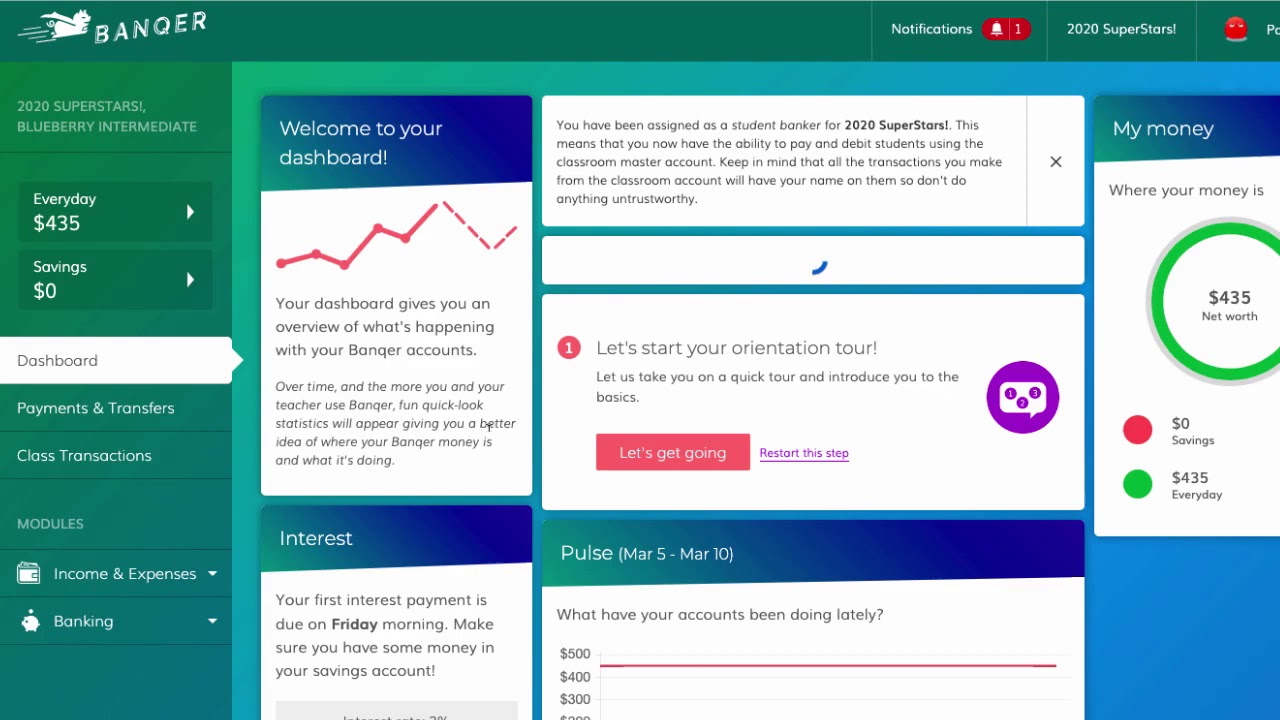
Our older daughter is in Year 6. Over the past few weeks, she has often come home excited to show me her simulated bank account. Her teacher has started introducing the class to financial literacy.
What surprised me was that the lessons were not simply telling children to save money. The students were being placed in a world that felt a little like real life. They had to make their own choices and then live with the results.
She has her own “bank accounts”
In the classroom system, my daughter receives $300 of simulated income from the teacher each week.
She can also prepare a CV and compete for classroom jobs to earn more. If she answers financial-literacy questions in the system correctly, she receives small virtual cash rewards.
Income comes with expenses. Each week she has to pay regular costs such as internet and transport. To avoid missing bills, she has learned to set up an automatic payment.
She has also started making a budget. She can see how much she earns, how much she spends and how much she has left. She decides what should stay in her everyday account, what should move to savings and what can be placed in a term deposit.
The dashboard shows her expenses, transactions, interest received and net asset balance. She can compare her position with other students. Someone in the class has already managed to go into overdraft.
Many adults are still trying to make sense of these ideas. The children are already learning them by doing.
One small mistake taught her about opportunity cost
In the simulation, a 14-day term deposit pays 10.5%, while a 60-day term deposit pays more than 18%.
These are classroom rates designed for teaching. They are not real bank rates.
My daughter intended to choose the 60-day deposit, but one slip of the finger put the money into the 14-day option. She was disappointed for quite a while. As soon as the 14 days were up, she moved it into the 60-day term deposit.
That small mistake made the difference in interest feel real. It also introduced her to opportunity cost: the same money can produce a different result depending on the choice and the length of time involved.
I used the moment to remind her that anything involving money deserves a second look. In real life, we do not always get an undo button.
A scooter or a bicycle?
This week, the classroom marketplace added some new items.
There were impressive cars costing more than $10,000 and taxis that could potentially earn income. The simulation had only just begun, so none of the children could afford them yet.
The realistic choices were a scooter and a bicycle.
- Continue using transport: $27 per week, with no purchase cost
- Buy a scooter for $232: reduce weekly transport costs by 50%
- Buy a bicycle for $332: reduce weekly transport costs to about $7
We talked about which option made the most sense. She chose the bicycle.
It was not about having something fashionable or keeping up with classmates. She worked out that the bicycle would save about $20 each week. In fewer than 17 weeks, those savings would recover the original $332 cost. After that, the weekly savings would continue.
I told her that in real life, cycling could also be healthier and better for the environment. A simple purchase can involve budgeting, return on investment, health and environmental choices at the same time.
I was very happy to see her thinking seriously about these questions at such a young age.
Financial education is becoming part of New Zealand's national curriculum
The day before, I attended an industry event organised by Financial Advice New Zealand. A speaker from Te Ara Ahunga Ora Retirement Commission discussed how financial education is developing in New Zealand schools.
The Ministry of Education says financial education will be included in the refreshed national curriculum for Years 1–10. Updated social sciences and Te Ao Māori content is intended to become required teaching in 2027. Financial mathematics has also been included in the updated mathematics and statistics curriculum.
The Ministry and Retirement Commission have also developed implementation guides and resources covering Years 0–13. Schools have more flexibility in how they continue financial education for students in Years 11–13.
Younger children begin with ideas such as needs and wants, earnings, spending, saving and bank accounts. Older students can build towards budgeting, investment, interest, tax and insurance.
New Zealand is often criticised for how slowly some things are carried out. But giving children structured, practical financial education is forward-looking and deserves recognition.
Financial literacy is not only about making money
Real financial literacy is not simply knowing how to earn more or find the highest return.
It includes understanding needs and wants, income and expenses, and how to prepare for the future. It also means recognising opportunity cost, risk, protection and long-term planning — then making choices that fit your own life.
A mistaken term deposit and a classroom bicycle may seem like small things. But they can teach more than memorising a list of financial terms.
Bringing the classroom lesson into real life
Many people know us mainly for insurance advice. As Financial Advisers, our work also includes helping clients understand information connected with insurance, KiwiSaver and longer-term financial arrangements, and providing practical, compliant advice within our professional scope.
Children need financial capability, and adults do too.
We cannot decide what kind of life a client should live. We can help make complex information clearer, explain the risks and choices, and support people as they make decisions that fit themselves and their families.
From today's bicycle to tomorrow's life choices
If children learn to take each dollar earned, spent and saved seriously, they will be better prepared when they eventually face wages, a mortgage, KiwiSaver, insurance and family responsibilities.
That may be the most important part of financial education.
Sources and important information
- New Zealand Ministry of Education: Financial education a key focus in refreshed national curriculum.
- New Zealand Ministry of Education: New guides for schools and providers to implement financial education.
- Banqer Primary: classroom financial-education content and simulation features.
Information checked on 21 September 2026. The accounts, amounts and interest rates described in this article are part of a classroom simulation. They do not represent real banking products, current market rates or personal financial advice.